
May 31, 2005Personal Care
CPSC, Home Interiors & Gifts Inc. Announce Recall of Candle Tins
Hazard: The candle flames could flare up out of the tin container during use, posing a fire and burn hazard.
June 29, 2004Personal Care
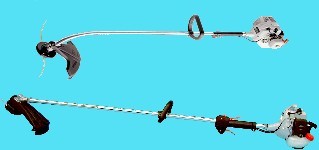
CPSC, Echo Inc. Announce Recall of Gas-Powered Hand Tools
Hazard: The fuel lines on these tools can develop an "alligator surface" appearance, which could develop into a condition that will allow leakage of gasoline and fuel vapor, posing a fire hazard to consumers.
June 3, 2004Personal Care
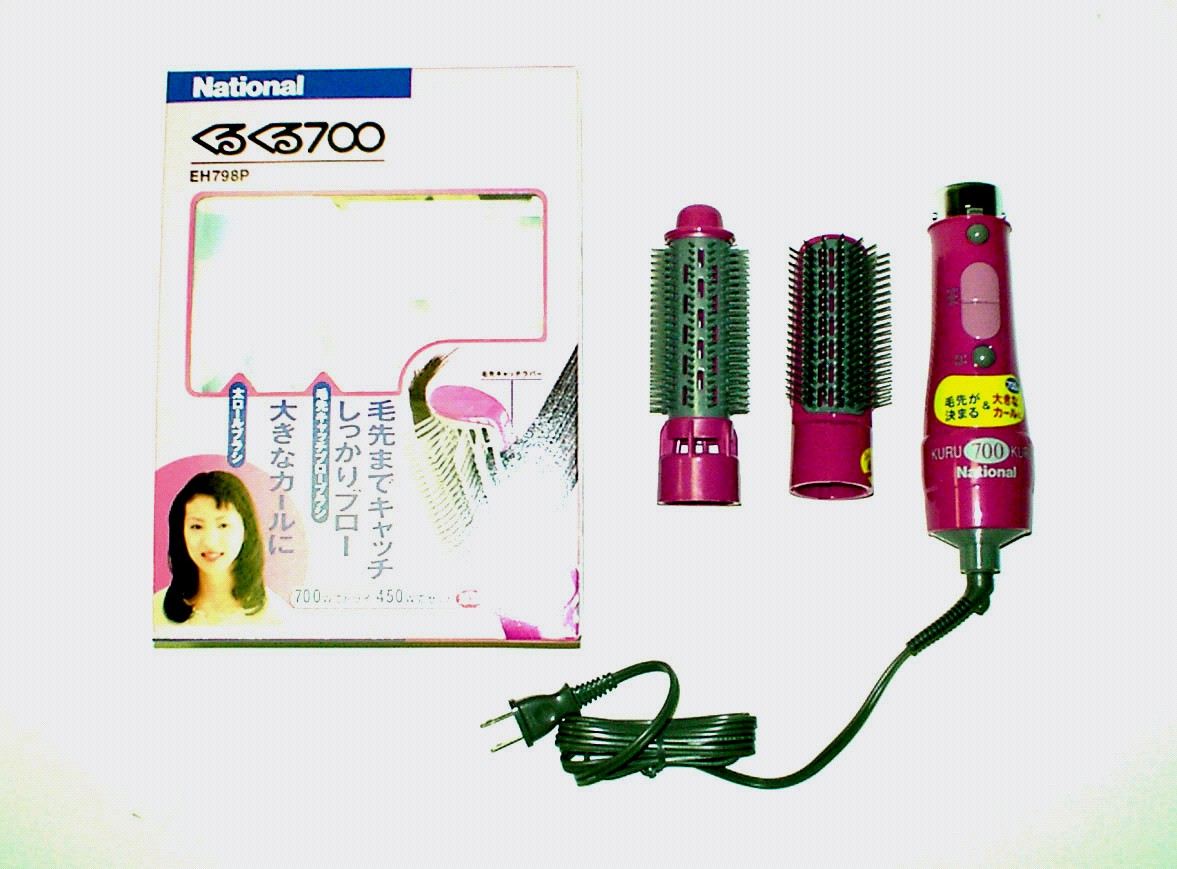
CPSC, Marukyo USA Announce Recall of Hair Dryers
Hazard: These electric hair dryers are not equipped with an immersion protection device, to prevent electrocution, if the hair dryer falls into water.
May 27, 2004Personal Care
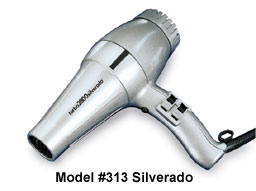
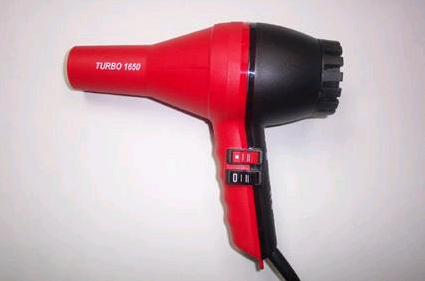
CPSC, Turbo Power Inc. Announce Recall of Electric Hand-held Hair Dryers
Hazard: These electric hair dryers are not equipped with an immersion protection device to prevent electrocution, if the hair dryer falls into water. Such electric shock protection devices are required by industry standards for all electric hand-held hair dryers.
April 21, 2004Personal Care
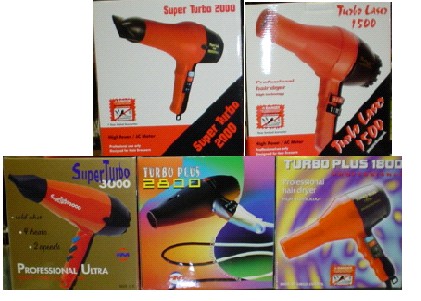
CPSC, Virgo Enterprises Announce Recall of Hair Dryers
Hazard: These hair dryers do not have an immersion protection device or ground fault circuit interrupter (GFCI) on the power cord, which poses a serious electrocution hazard if dropped in water. In 1991, a voluntary standard was implemented that called for all hair dryers used by consumers to protect against electrocution in both the "on" and "off" positions.
April 15, 2004Personal Care
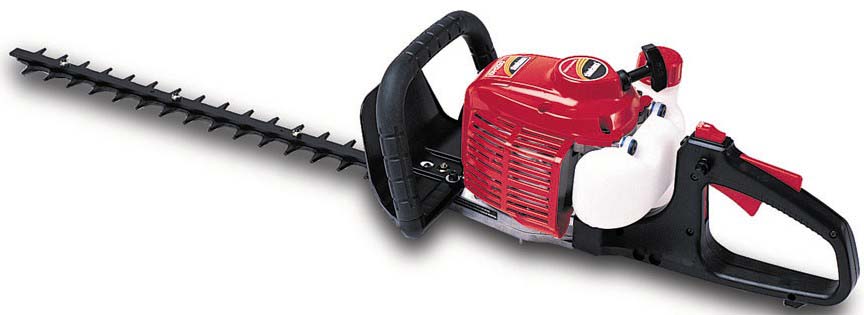
CPSC, Shindaiwa Inc. Announce Recall of Hedge Trimmers
Hazard: The muffler's retaining bolts can allow the muffler to come loose from the engine while the hedge trimmer is in operation. A loose muffler can contact and damage the fuel tank, creating a fire hazard.
March 9, 2004Personal Care
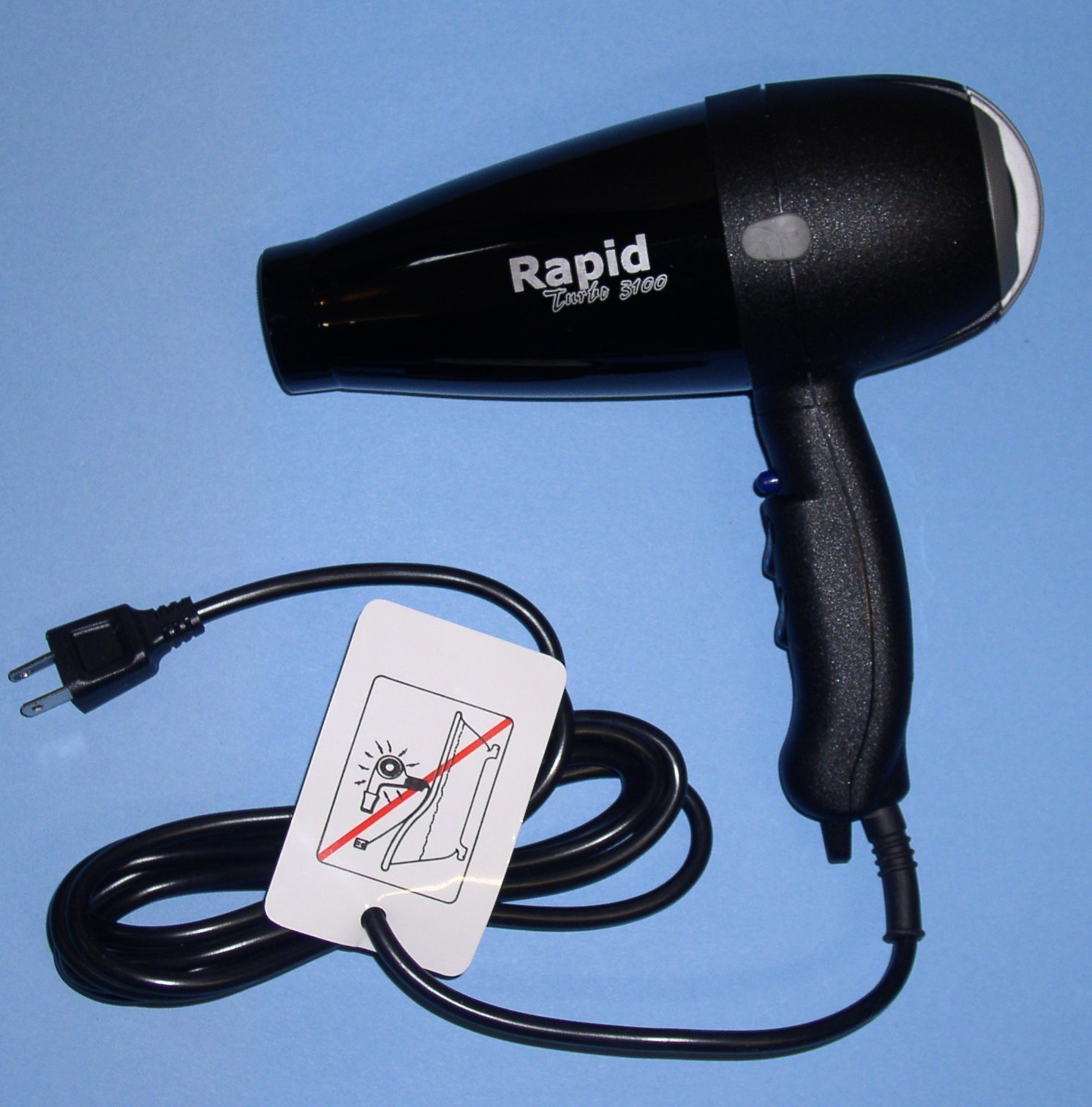
CPSC, Light Distribution Inc. Announce Recall of Hair Dryers
Hazard: These hair dryers do not have an immersion protection device or ground fault circuit interrupter (GFCI) on the power cord, which poses a serious electrocution hazard if dropped in water. In 1991, a voluntary standard was implemented that called for all hair dryers used by consumers to protect against electrocution in both the "on" and "off" positions.
March 9, 2004Personal Care
CPSC, Lado Co. of America Announce Recall of Hair Dryers
Hazard: These hair dryers do not have an immersion protection device or ground fault circuit interrupter (GFCI) on the power cord, which poses a serious electrocution hazard if dropped in water. In 1991, a voluntary standard was implemented that called for all hair dryers used by consumers to protect against electrocution in both the "on" and "off" positions.
February 10, 2004Personal Care
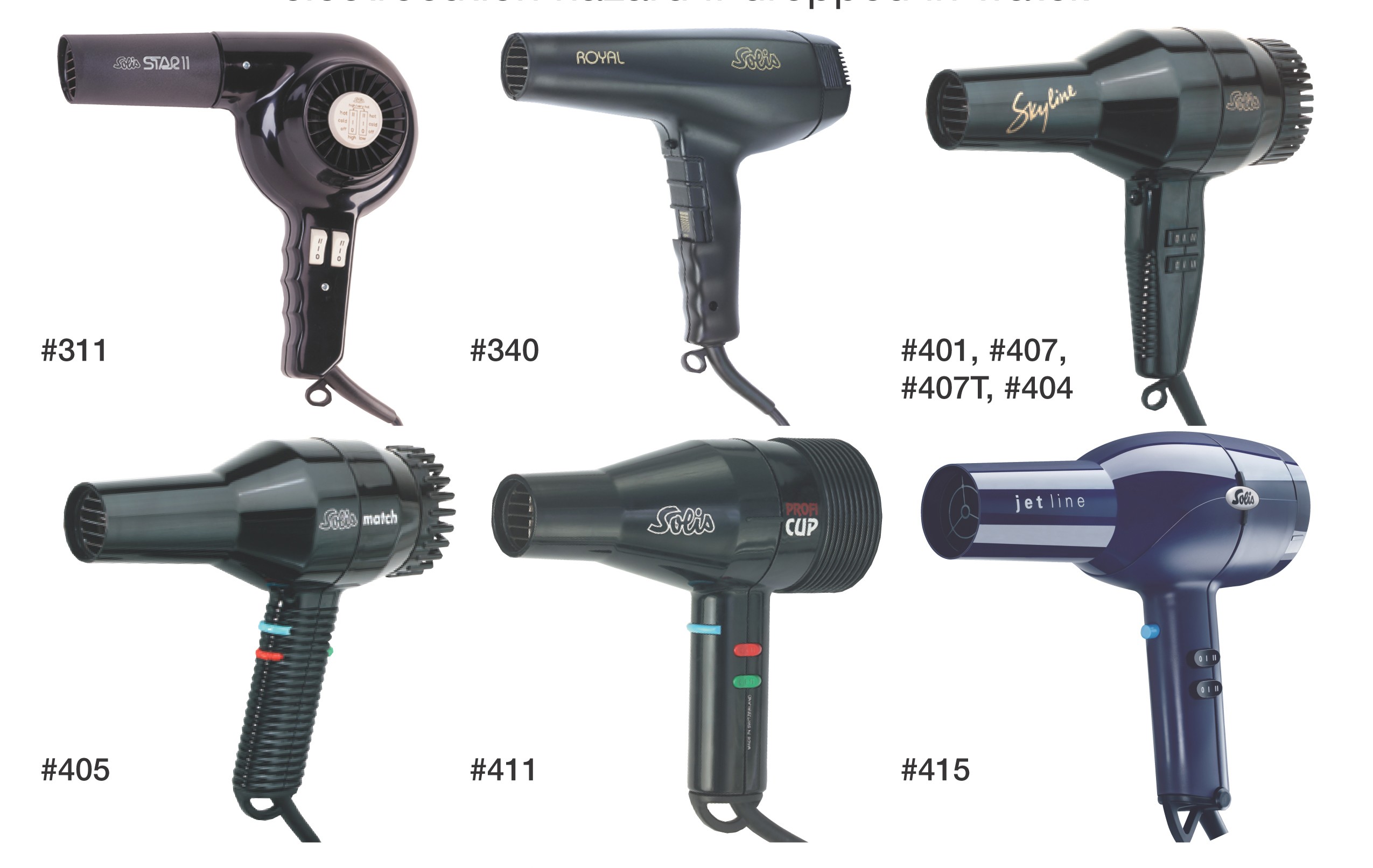
CPSC, Fromm International-Solis® USA Announce Recall of Hair Dryers
Hazard: These hair dryers do not have an immersion protection device or ground fault circuit interrupter (GFCI) on the power cord, which poses a serious electrocution hazard if dropped in water.
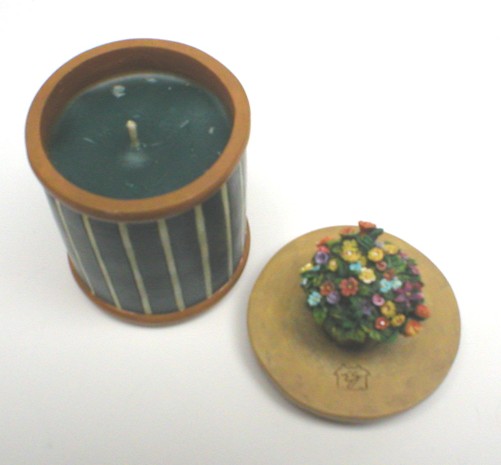
January 7, 2004Personal Care
CPSC, Lang Candles Announce Recall of Thematic Candles
Hazard: Resin in the candleholder can ignite, posing a serious burn and fire hazard to consumers.
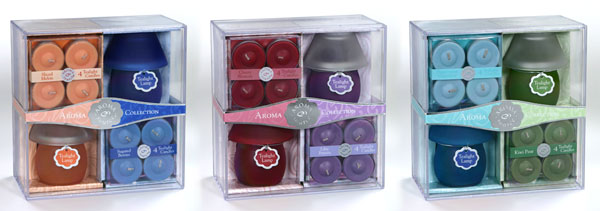
November 13, 2003Personal Care
CPSC, Polardreams International Ltd. Announce Recall of Candle Gift Sets
Hazard: The candle gift set can exhibit a larger-than-normal flame height as the tealight candle burns to the end, posing a potential fire hazard.
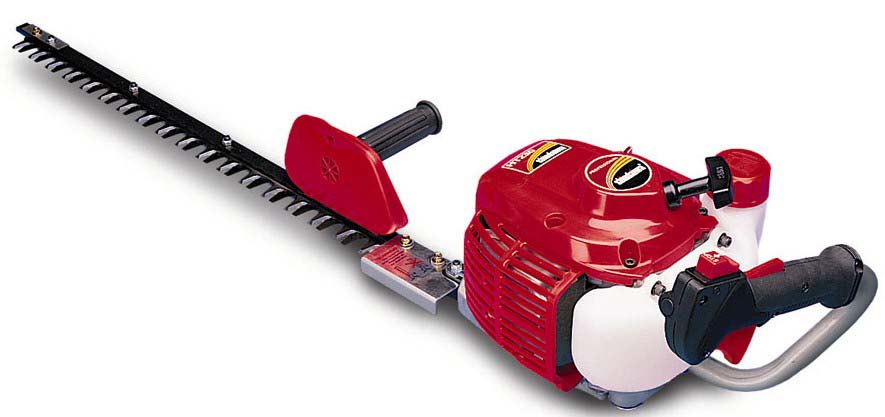
October 29, 2003Personal Care
CPSC, Shindaiwa Inc. Announce Recall of Hedge Trimmers
Hazard: The fuel cap on the hedge trimmer can leak, posing a fire and burn hazard.
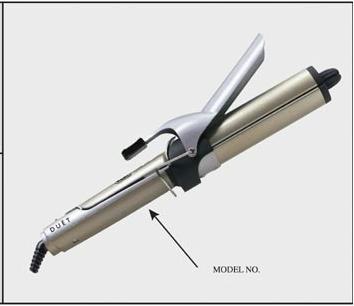
October 24, 2003Personal Care
CPSC, Wahl Clipper Corp. Announce Recall of Curling Irons
Hazard: The electrical insulation in the curling irons may break down, resulting in a possible electric shock and injury to the user.

October 15, 2003Personal Care
CPSC, John Wiley & Sons Inc. Announce Recall of "Candle and Soap Making For Dummies" Instruction Book
Hazard: The instructions in the book for making lye combine sodium hydroxide and water in an incorrect order. This could cause the mixture to bubble over, posing a burn hazard to consumers.
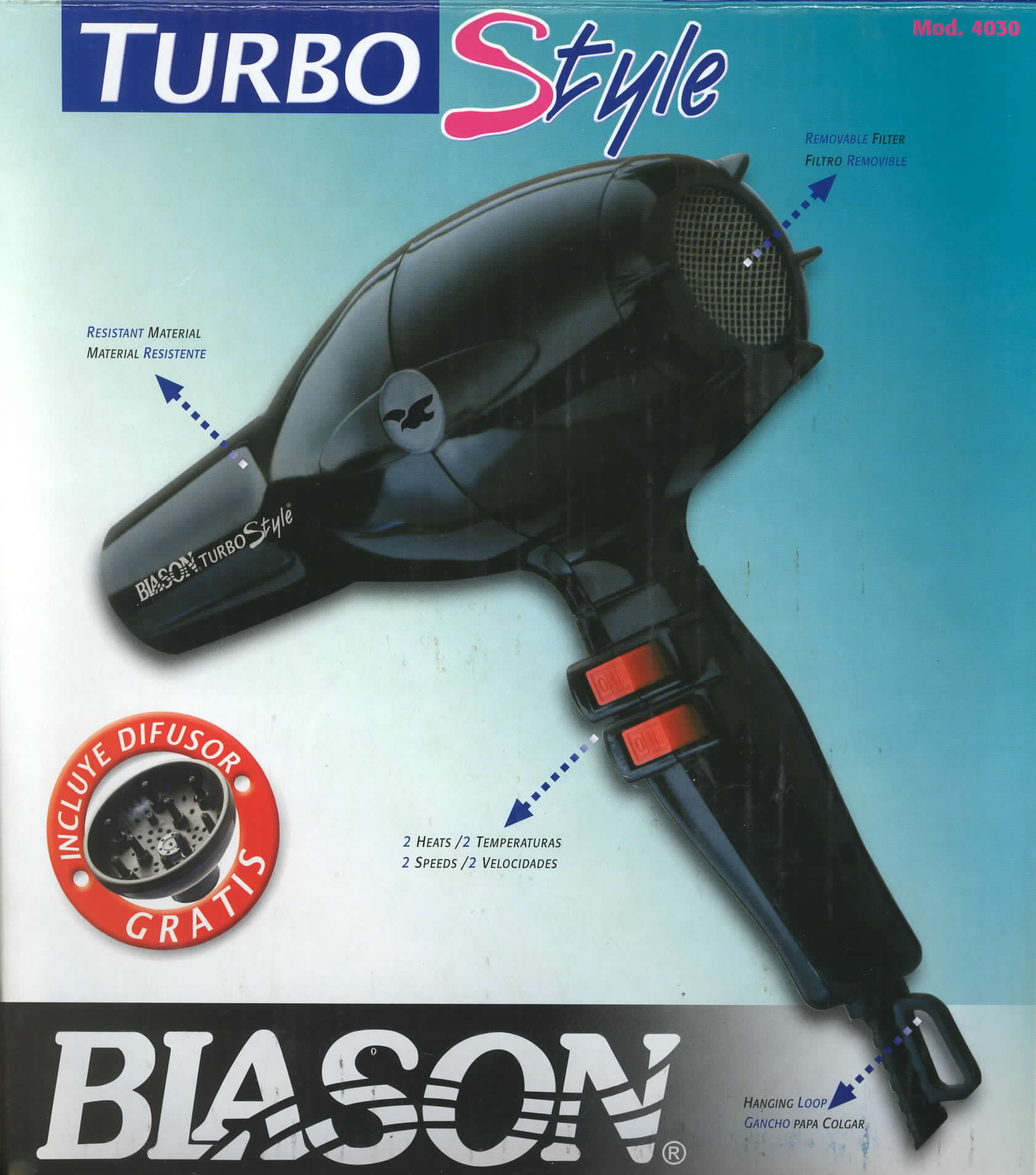
September 25, 2003Personal Care
CPSC, Blason International Trading Corp. Announce Recall of Hand-Held Hair Dryers
Hazard: Some of these hair dryers do not have an immersion protection device on the power cord and could present a serious electrocution hazard, if dropped in water.

March 11, 2003Personal Care
CPSC, Blue Star Candles, L.P. Announce Recall of Christmas Candles
Hazard: The 6-ounce candles can have the wrong size wick, causing the flame to burn irregularly, posing a fire or burn hazard.
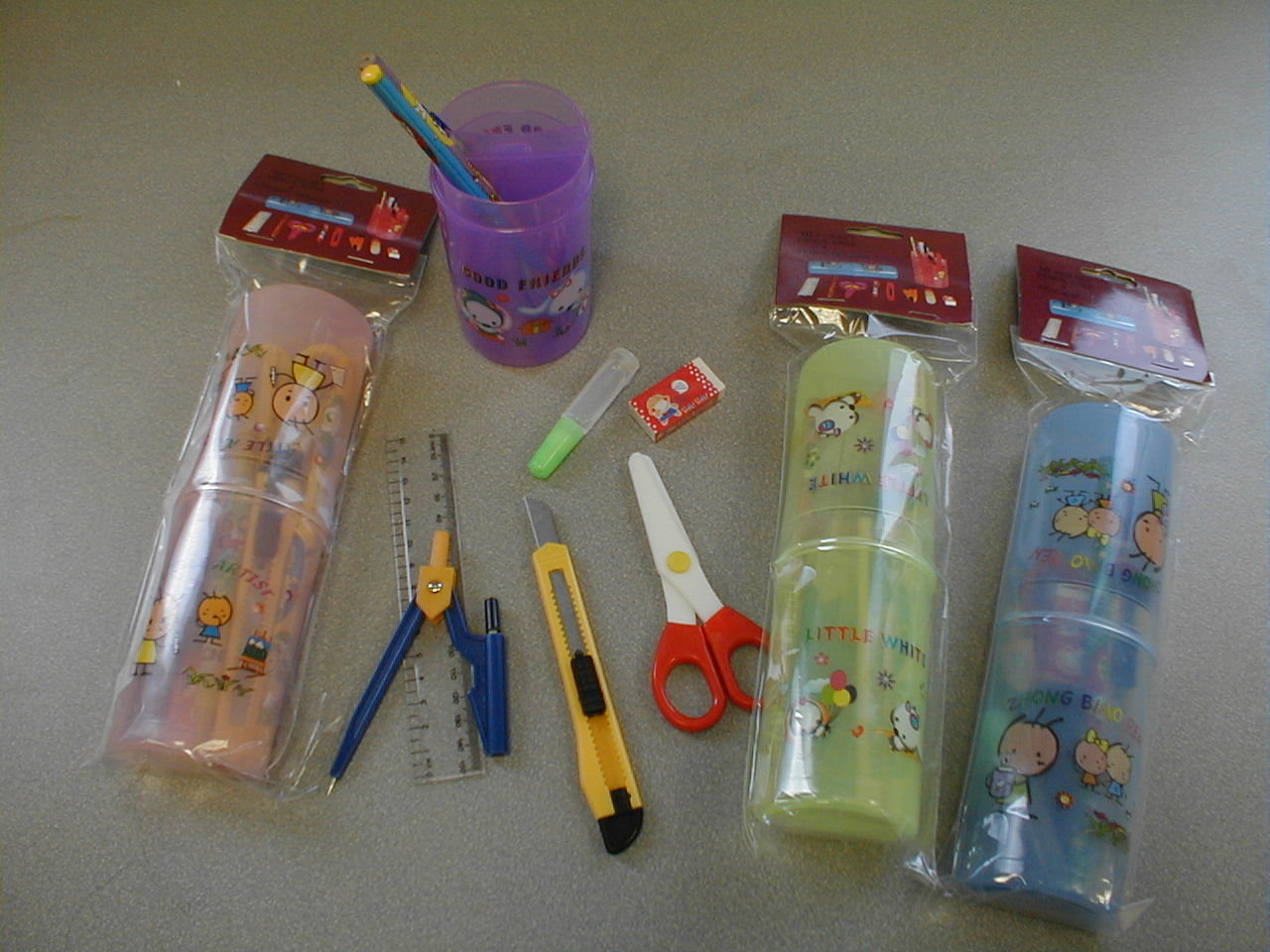
November 12, 2002Personal Care
CPSC, Damo Plus Corp. Announce Recall of Children's School Supply Sets
Hazard: The sets contain razor knives, which pose a laceration hazard to children.
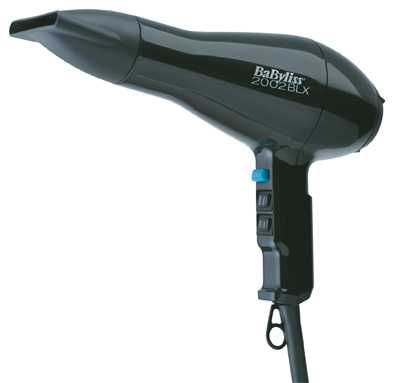
August 29, 2002Personal Care
CPSC, Babyliss Pro Announce Recall of Hairdryers
Hazard: The hairdryers do not have an immersion protection device on the power cord and could present a serious electrocution hazard, if exposed to water.
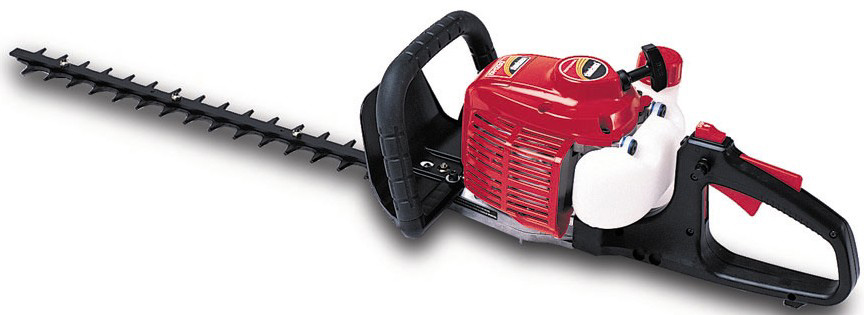
August 20, 2002Personal Care
CPSC and Shindaiwa Announce Recall of Hedge Trimmers Sold in California
Hazard: The catalytic muffler can overheat and damage the fuel tank, posing a fire hazard.

August 6, 2002Personal Care
CPSC, Excel Industries Inc. Announce Recall of Riding Lawn Mowers
Hazard: Excessive heat, vibrations and wear causes the fuel line to droop over time and rub against the transmission fan, causing the fuel line to be cut. This poses a fire hazard and a risk of burn injuries to consumers.
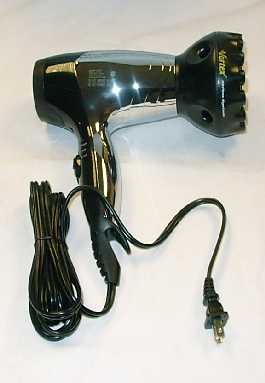
July 30, 2002Personal Care
CPSC, Remington Products Co., LLC Re-Announce Recall of Hairdryers Firm Offering Free Upgraded Replacement Hairdryer
Hazard: These hairdryers are not equipped with an appliance leakage current interrupter (ALCI) plug to cut off electrical current in case of contact with water. If dropped in water, the hairdryers pose an electrocution hazard to consumers.
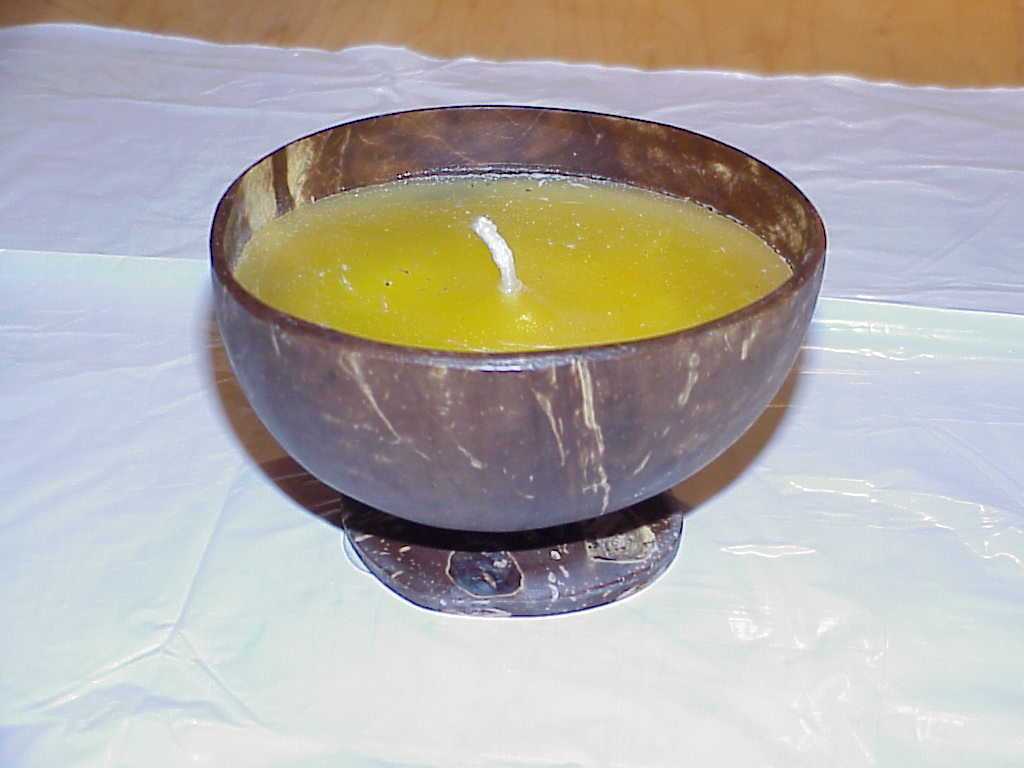
June 6, 2002Personal Care
CPSC, Island Soap & Candle Works Announce Recall of Candles
Hazard: Pieces of the candles' wick can fall off while burning and the wick can re-ignite after extinguishing, posing a burn and fire hazard.
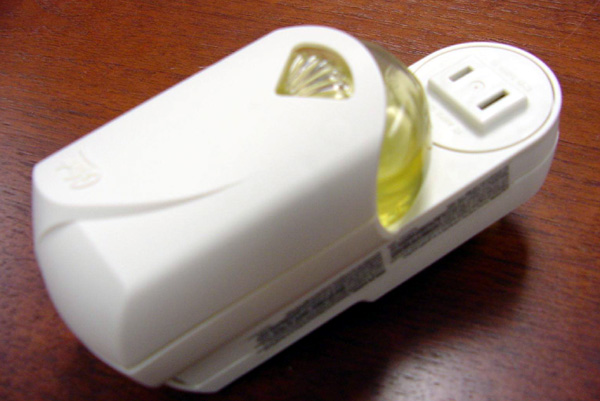
April 19, 2002Personal Care
CPSC, SC Johnson Announce Recall of Glade® Extra Outlet Scented Oil Air Fresheners
Hazard: These Extra Outlet PlugIns® may have been misassembled during manufacture, which could pose a risk of fire.
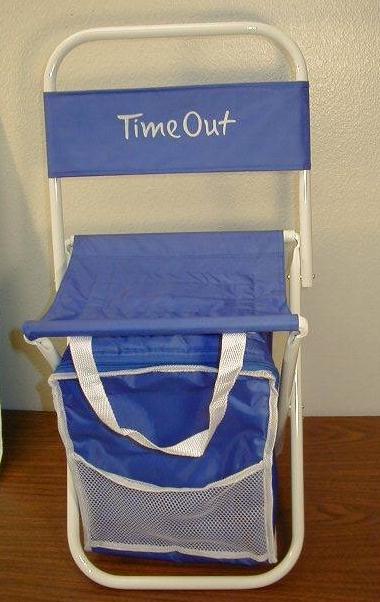
April 2, 2002Personal Care
CPSC, Intercon Merchandising Source Announce Recall of Mini Beach Chairs Given with "Time Out" Cosmetics at Sears
Hazard: The chairs can collapse, posing crush and amputation hazards to consumer's fingers and toes.

March 14, 2002Personal Care
CPSC, Rose Art Announce Recall of Children's Soap Making Kit
Hazard: The soap may get too hot when heated in the microwave oven and leak from the plastic container, posing a burn hazard to children.
May 29, 2001Personal Care
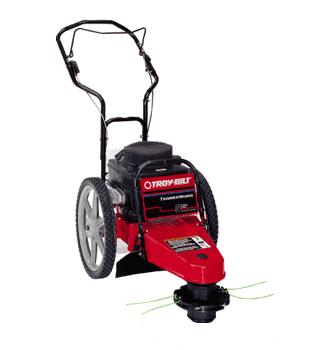
CPSC, Garden Way Announce Recall of Trimmers/Mowers
Hazard: The trimmer heads, which control the cutting cords, can split and detach, posing a serious injury risk to consumers.

March 8, 2001Personal Care
CPSC, Xanadu Candle Co. Announce Recall of Candles
Hazard: These candles can burn with a high flame, posing a fire and burn hazard to consumers.

February 20, 2001Personal Care
CPSC, The Paper Magic Group Inc. Announce Recall of Christmas Candles
Hazard: The ceramic handle that extends over the top of the basket can become hot during use, posing a burn hazard, if touched.
February 15, 2001Personal Care
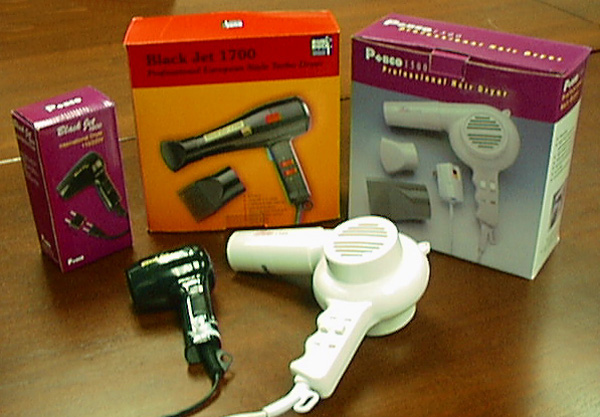
CPSC, Pebco Inc. Announce Recall of Hairdryers
Hazard: These hairdryers have undersized wiring, are not equipped with ground fault circuit interrupters to cut off electrical current in case of contact with water, and have loose electrical connections. The hairdryers pose an electrocution and fire hazard to consumers.
May 3, 2000Personal Care
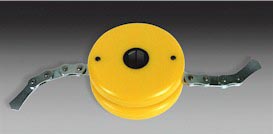
CPSC, Weed Wizard Acquisition Corp. Announce Recall of Weed Trimmer Heads With Metal Chains
Hazard: The end link of the trimmer's metal chain can rapidly and unexpectedly detach during use, propelling the link into the air at a high velocity. If the metal link strikes the user or a bystander, it can penetrate skin and bone, causing injury or death.